Friday, April 10, 2015

The Road to 2016 National Alpine Team Tryouts

Hello friends and family and ski buddies from around the world!

I have just returned from my last ski event of the year, the E1 Selection process. It was an incredible and intense couple of days on snow with some of the top instructors in our division, and I was really happy with my results. (Prepping for Day 2 of examiner selection for the RM Division on-snow. My best event yet, and even better because the team trying out was incredibly strong. )
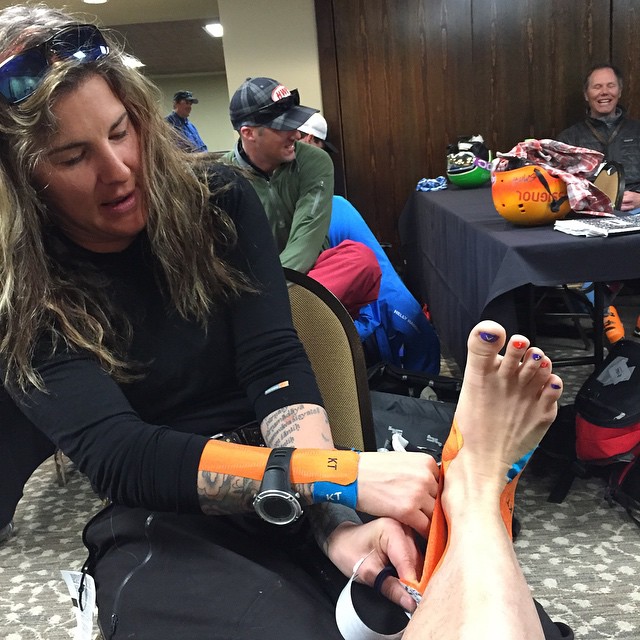
I was not selected to work as an examiner, but I was happy to go to the tryout and give a strong showing. I'm very very proud of SIX good friends who were selected to the Ed Staff, they were inspirational to ski with and fun to train with. As usual, I'm blown away by the strong sense of community in this sport. 

I'm happy to say that my feedback was that I was close to getting selected, and I received strong support from the selectors to continue on my quest for further selections next year. I have work to do in my skiing, and in order to accomplish that, I need to be stronger, more fit, and have more time on snow.

My training so far is paying off, and in order to continue on that path, my training will only increase in intensity from here!

If you would like to be a part of that quest, please leave an encouraging comment or help by contributing toward covering the overall training expenses from September 2015 to the tryouts in April 2016. 

Follow this link to contribute: http://www.gofundme.com/katesteam2016

Please do not feel obligated to contribute, and know that encouraging words mean just as much to me as helping ease the burden on the major sponsors who have been helping me achieve my goals thus far!

If you have friends or family who would like to be a part of this adventure, please feel free to pass this link along. At this time, I am only sharing it directly by email and from my blog, skiingintheshower.com as opposed to openly on social media.

Thanks very much for your time, energy and for all the support over the last eight years!

Kate Howe

A little more about the journey:
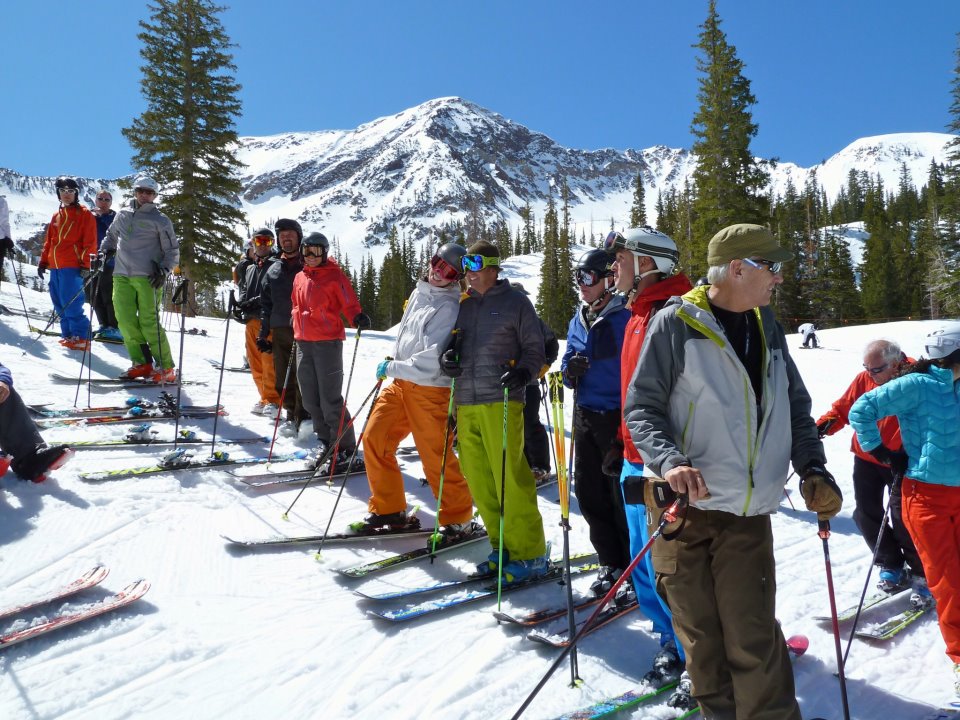
(Candidates and Selectors during the 2012 PSIA National Alpine Team Selection)

As many of you know, since 2006 I have had the dream and trained toward becoming a member of our PSIA National Alpine Instructor Team. 

The first six years of training included taking over a dozen pre requisite clinics, driving all over the West, sleeping in my truck and passing four levels of certification in both the Rocky Mountain and Northern Rocky Mountain division. 

It was only through the generous sponsorship of the ski companies that support  me and many other instructor athletes (Blizzard/Tecnica, POC Helmets and Armor, Leki Poles, Strafe Outerwear, Gibbon Slacklines), and the combination of contributions from individual donors (and one major donor without whose support I would not have been able to recover from major spine surgery and find myself on the snow at the 2012 tryout just six months post surgery.) that I have been able to come as far as I have.

And I'm not alone. This is a journey that hundreds of ski instructors embark on, a journey of at least a decade (that's on the short side.) This is an endeavor of training and dedication that is entirely funded by grass roots efforts, friends and family.  

My feedback at the 2012 National Tryout was "We'd like to hire you. Please try out again next time, and please work on your skiing until then!"

This year, after I returning from India with my family in December of 2014, I had identified areas of weakness that I needed support in in order to overcome some obstacles on the journey. They were overall core strength, explosive strength in the hips and legs, mental performance during clutch situations, and depth of technical understanding.

(Ethan in Mysore, India, demonstrating Pascasana, a second series Ashtanga posture.)

I spent some serious soul searching time deciding if I was physically, mentally, and emotionally capable of training at the level that this kind of commitment demands, and I spent a lot of time talking with my kids and their dad about what this would take. 

I am honored to know that my entire family has a deep faith in me, and is squarely behind me in this persuit. With that go-ahead, the fire was lit, and I committed again to trying out for the 2016 National Team. 
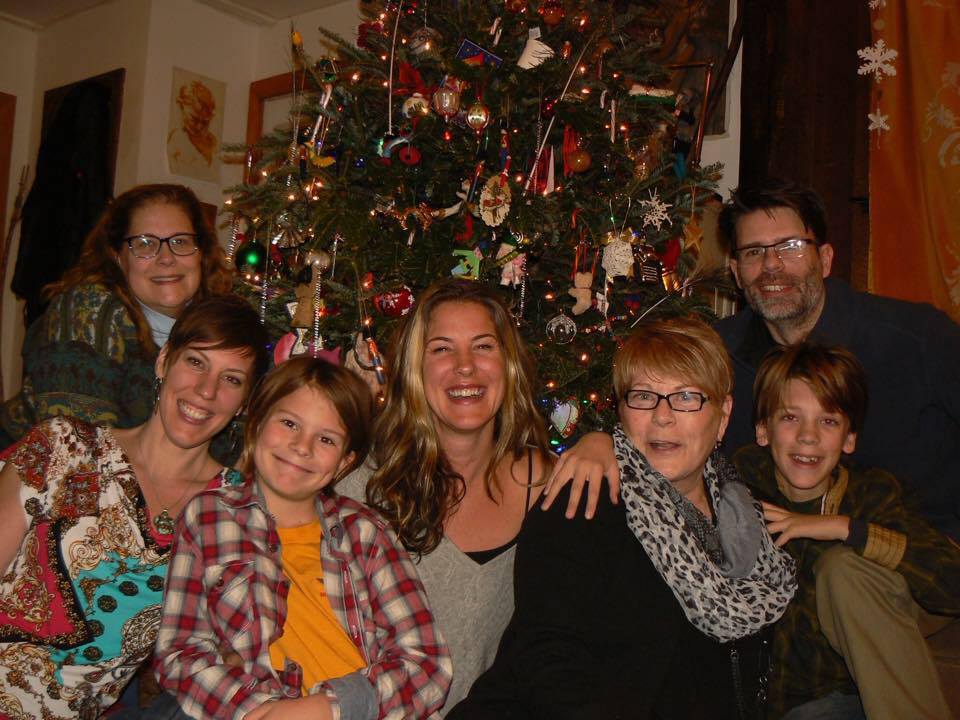
(My amazing family, we support each other in all of our crazy adventures. They taught me to go for it, they stand behind me, and I behind them, every step of the way!)

In order to get my skiing up to par, I hired an elite team of trainers and coaches to work with me physically, mentally, and on my skiing. I am honored that these top coaches have agreed to partner with me on my road to 2016. 

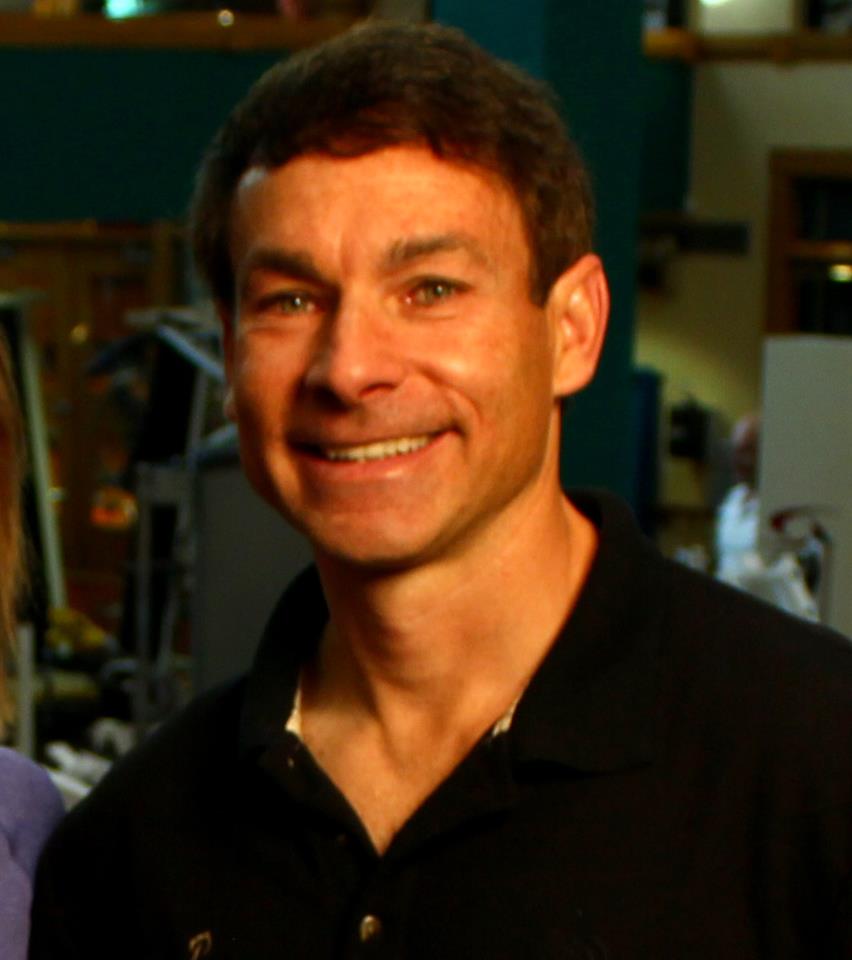
They include strength coach Bill Fabrocini PT, OCS, CSCS, and former physical therapist and strength coach of Olympic Snowboard champions Gretchen Bleiler and Chris Klug. Bill is currently the rehabilitation and conditioning advisor to the Chivas de Gaudalajara professional soccer team n Mexico, and strength coach to professional cyclist Tejay Van Garderen. (Bill Fabrocini at the Aspen Club)
Mental Performance Coach Thomas Crum is an author and presenter in the fields of conflict resolution, peak performance, and stress management. He is known throughout the world for his interactive live presentations and his three best-selling books. Recent clients include the NFL’s Miami Dolphins and the Navy SEALs. (Tom Crum delivering inspiration and strength)
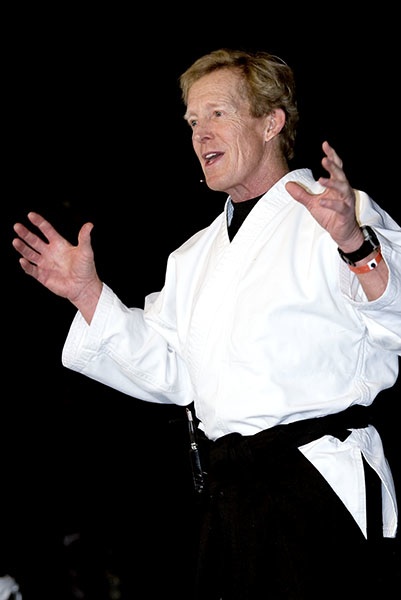
Technical Skiing Coach Jonathan Ballou is a current member of the PSIA National Alpine team, and spends his northern hemisphere winters as the Training Manager for the Ski & Snowboard Schools of Aspen/Snowmass and as an Examiner and Alpine Committee Chair for PSIA-Rocky Mountain Division. In the other winter (deep south), Jonathan works as a trainer for the Rookie Academy and an examiner and education coordinator for the New Zealand Snowsports Instructors Alliance.(Jonathan Ballou doing what he does best.)
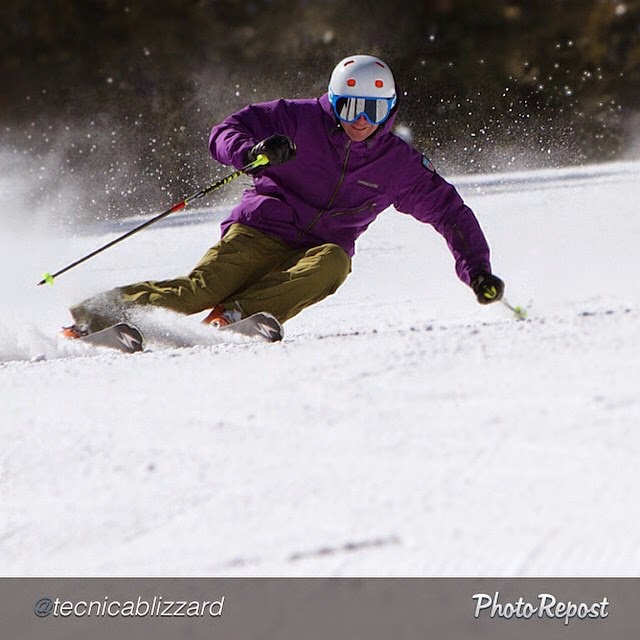
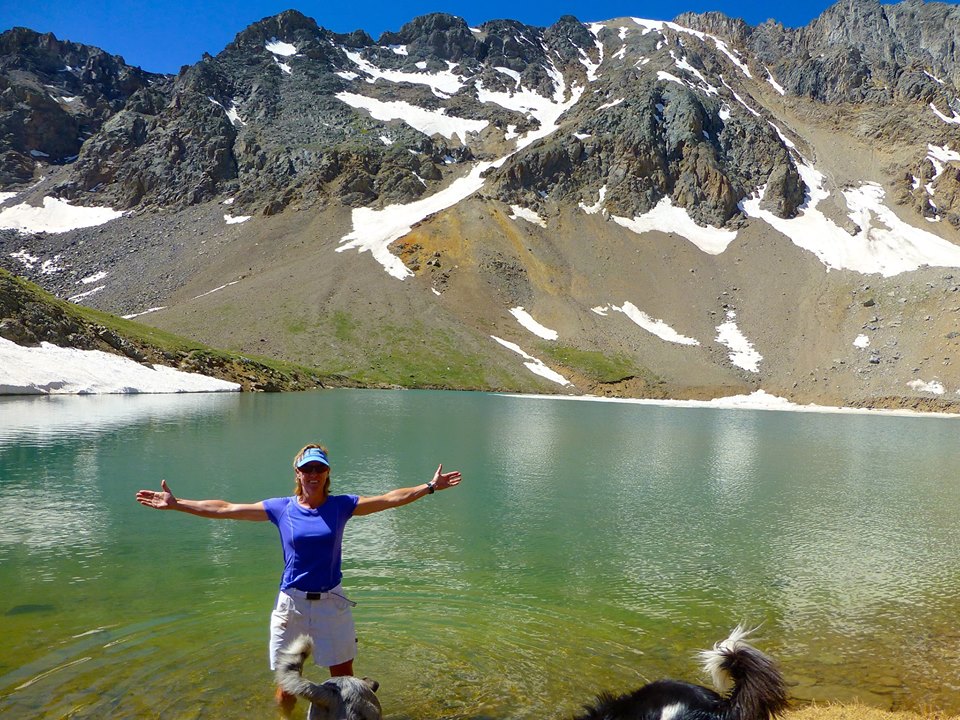
Training Partners and mentors Kurt Fehrenbach and Megan Harvey were both members of the PSIA National Alpine Team, examiners in the RM division, and current trainers for the ski schools of Aspen/Snowmass.(the unstopable Megan Harvey, my mentor, friend, and faith fuel cell.)
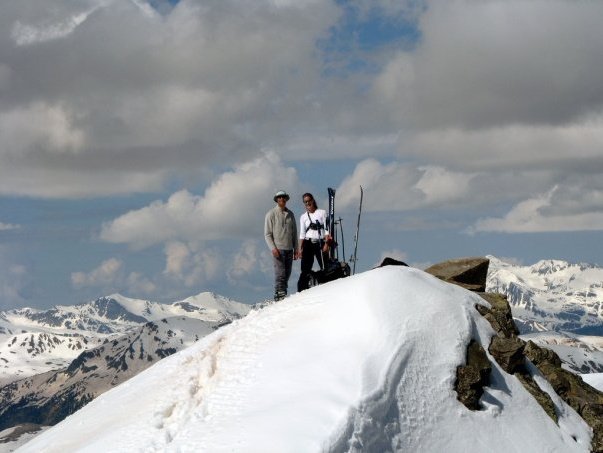
(Kate and Kurt atop Geissler Peak in 2010, training for the 2012 tryouts)

Master Bootfitter Brent Amsbury is the key link in the chain. I can be as strong, present and ready as possible, but without his incredible skill, I wouldn't be able to make a single turn. (Brent Amsbury, Master Bootfitter)
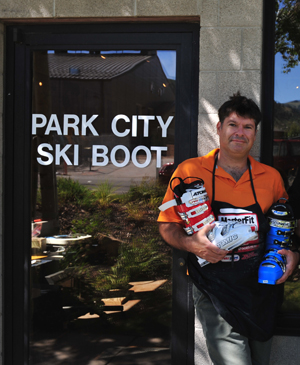
Each one of these outstanding coaches has agreed to put their name next to mine, standing by me in my persuit of my goal, while they are all striving to achieve their own goals in their own lives. I am incredibly honored to be associated with them, and am amazed at the depth of dedication they have to me. Many of them donate their time to my training and mentorship, and that is a gift that I could never ever repay. 

I have worked this team since January of 2015, and the results in my presentation, preparation, and execution under pressure are incredible. In April of 2015 I went to the Examiner Selection in Vail and had my best showing to date in a high level selection mostly due to working with this incredible coaching staff.

I feel confident that if I can continue to work hard with this coaching staff for the next year, I will be a strong candidate for selection at the 2016 National Alpine Team Selection in Snowbird, Utah, as well as for the 2016 Examiner Hiring selection.

Unfortunately, training at this level for a year is incredibly expensive, not just for me, but for all athletes who aspire to this goal. 

If you are able to contribute to my training fund, in gratitude, I will send you a Kate's Team 2016 T-Shirt or Mug of your choice. 

(it's likely the shirt and mug will have this image on it, or one very similar. Because what could be more awesome than a unicorn that snorts flames, ridden by a bad-ass cat?)

(Details on minimum donation for gifts are at the go fund me site http://www.gofundme.com/katesteam2016) 

Thank you for your time and energy, and all of the support I have recieved over the years!

If you would like to know more about supporting other instructor athletes and the PSIA National Team in general, please visit: https://www.thesnowpros.org/Interski2015.aspx

Kate Howe

Friday, March 13, 2015

Uncover Colorado features Kate Howe (Thanks, Lisa!)


Kate Howe: Ski Instructor, Yoga Teacher, Massage Therapist, Woman of the World


  • Aspen Colorado ski instructor Kate Howe has a blog called Skiing in the Shower. That alone should spark your interest. Adventurous, spiritual yet surprisingly down-to-earth, her blog name is just one of the things that makes her stand out among the red ski jackets. Need inspiration? For the full article Read on!  

Wednesday, January 14, 2015

Happier. Not happiest. Just happier, every day.

What holds you back? Is it you? Is it someone else? Is it you thinking what others might think? Is it an old idea, something that happened a long time ago?

Why do you think you can't, or shouldn't do that thing that you secretly wish you were capable of? We explore these concepts in Happier!

https://www.facebook.com/events/742385499167529/

A week-long retreat at Samahita Retreat from May 30 - June 6. Come explore where your limitations come from, and begin to reframe them for Happier living. Teachers: Tamara Gundrum and Kate Howe.

For more information, visit: http://www.samahitaretreat.com/guest-teacher-happier-unpacking.html

Tuesday, December 9, 2014

The Mosquito Knows my Secret.

It’s 3:45 in the morning, and it’s the mother f***ing mosquito that has woken me up, not my alarm. Fifteen minutes early. At 3:45 in the morning, after a couple of weeks, those fifteen minutes have become something that is precious. I am, needless to say, annoyed at this little bug, who seems to have developed a fondness for reckless flying close to sleeping ears. 

Initially, when I decided to stay, I had thought it would be the getting up in the morning that I would come to regret. I thought about what it meant to stay in India, after being on the road again for eight months this year, both my children in tow, seeing birthdays and American Holidays pass in three different countries, our feet crusted with exploration, but ungrounded in permanence. 

This is why you do it really. I mean. We think we know what's going on and then we look outside and this guy is walking by. "Good morning madame." Well, good morning to you, too. 
Most of the time we stay somewhere just long enough to feel like we live there before the next thing moves us on. It is, as Bodhi has discovered, both a blessing and a curse. We aren’t tourists, we live in places too long. We aren’t residents, once we have routine, family and friends, we are unmooring and saying our goodbyes. 

The rhythm of this strange life is stressful, but rewarding and beautiful for all of us. And at 3:45 in the morning, when the bug is in my ear and the wailing of morning prayers has started down the road and the sound of water offerings and kitchen noises has already begun, everything feels acutely unfamiliar. Sometimes in a traveler’s adventure kind of way, but this morning in particular I am feeling it in a deep, heart felt, longing to be home kind of a way. 
Longing to be home led me here... and this time when we leave, all of what we found at the end of this path (which was just a beginning) comes with us. 
We all go through it over the course of our journey. The boys feel is more often than I do, or they express it more acutely at least. But on the flip side, they’ve learned to surf, sung and danced and slept over at Essica and Neve’s house, saved and lost kittens, fed a baby tiger, learned to eat street food and know how to order dinner in four different languages.

I try to remember that as I take another swing at the mosquito, knowing it is futile, there has been one, just one, mosquito in our bedroom between the hours of 8pm and 5am every single night since we got here, and no amount of incense nor prostrations keeps this creature away. It is a test of patience and sleeping skills. 

He is also a gift of sorts, I suppose. Not because I get an extra fifteen minutes to drink my coffee before heading to the Shala in the still-dark morning, but because he makes me voice the question that wants to come out so badly; “What am I DOING here?” 

And it’s not HERE, in this location. It’s DOING. In general, what kind of choices am I making, how do I think this is going to turn out? Why in the world am I still here?

In the strange, because it is unlike ours, in the different, in the same. There is a mass of humanity everywhere trying to make sense of it all. And we are in it, watching the sense making, working on our own.
This morning, the mosquito revealed to me that I want to go home. The mosquito makes me want to run away. He is that powerful. He brings to the surface in those fragile hours when I haven’t got quite enough rest all the little stories that are sitting right under the surface. I am ready to disappoint, to cut and run. I want to wander into the next room and pour my heart out to someone, but we live alone. I wish for an emergency that would be a big enough excuse not to go to practice. I wish for a boss at Aspen who had said, “NO. Be home on this date or lose your job.” I wish the only affordable ticket home was tomorrow. 

But none of that is the case. And the only reason I am feeling it is because the thing I want to run from is fear. Of myself and my worth and my capacity. I am in the middle, still and always but at the moment acutely, of transformation. As are most people who make the three month journey to Mysore. I didn’t know it would happen when I came here, and I didn’t come here for it to happen. I came here to pay my respects to my teacher’s teacher. I thought we’d make a pilgrimage. To pop in and out. I thought we’d come say hi. 

Transformation seems to come so easily for them, even as they long for familiarity, their realties warp more easily than mine does. They adapt, they embrace. 

About a week into our stay here, Bodhi began to practice. And then, Saraswathi, the 73 year old guru that Ethan, Bodhi and I are studying with walked by me, pointed at me and said, “You are doing full primary serial? You are going back by yourself tomorrow. Possible.” Two days after that, she asked me to stay and assist her in the shala. 

This is an enormous honor. Something that people wait for years for. Other than Bodhi climbing on her lap and kissing her after every practice, we didn’t have a lot tying us together, other than her faith in my broken body. 

After about two weeks of wondering if that is what she actually asked me, and getting some translation from her then current assistant, I realized it was real, she wanted me to assist, along with three other very competent long time practitioners. It would take four of us to replace David, who would be leaving December 1. David is 70 years old and had been a student of Saraswathi’s father, Sri. K. Pataabi Jois, for 36 years. I would begin tomorrow. 

The shala at the end of practice. Only two remains. She has dismissed her assistants. She doesn't need to be here. She's 73. She has a nice house and she could go watch soap operas all day. But she doesn't. She is here to the end, assisting Marichasana C. Again. 
As I was nodding yes, all kinds of wonderings about deserving came up. I questioned her sanity. I questioned my competence, I worried about other yoga students more deserving and more qualified than myself. I worried about my kids staying in India for another month, I worried about my job at home, which I love and miss, and my family and friends at home, and I worried about whether this choice would undo everything I’ve worked for or somehow help me along my path. 

“Well, you don’t really have a choice, do you?” My friend, Kieran said. “You kind of have to stay, don’t you?” I knew he was right. 

This morning, those wonderings are louder than usual. Being “trained up” by Saraswathi consists of showing up every morning and wondering if I’m actually helping. She has a fondness for shouting “No, no, NO!” across the room. “Hand is NOT correct.” She will say. She calls you by the name you are in, “Kormasana foot is not correct.” or the posture that your student is in. 

Evenings are stretching for Dewi Pada, rolling of old stiff muscles and broken bones, daily prayers, practices, contemplations, tea, snuggles and early bed for all of us. 
She calls her Senior assistant, Jessica, by her name. She calls my son, Bodhi, by his name. Everyone else is “Bujipidasana” or “You”. I imagine this must be what it was like to be trained up by Cal Cantrell on the ski field. I think of Squatty and Weems. I think of Michael Hickey. I think of my figure skating coach. 

Every day I have been entering the shala wondering if she regrets asking me and really doesn’t want me to help or find me that helpful, every day I have to step over that and into my competency, trusting her choice and doing the job she has given me as well as I can do it. I am an empty vessel. I am an empty vessel. I am on receive, I am a beginner, I am listening. 

At first it was hard to know if she was talking to me, or to the student I was adjusting. Eventually I realized that when she calls out “NO!” and comes over and takes the student from you, she is teaching you how she wants it done. She teaches the student what to do, and your job is to stand and watch her teach the student, thereby learning how the adjustment should be done. 

There are instances which occur where I am told “No, you don’t do it like that.”  And where she then uses the same technique I was told not to use on the next person. 

I am useless, I want to think. I am amazed at how easily the ideas of incompetence come to the surface. I want to be good for her. I want to ease her burden and be helpful to the students. I want to deserve this. But all of that want fills up time and energy. My job is to move efficiently through the room. Yesterday, I put seventeen people into Supta Kormasana. Last night, I put a hundred of them into it in my dreams, as I was moving through my dream world. My dream was all over India, I was talking to the boys, we were eating and driving and climbing, and we would stop and keep talking and I would tie whoever was prone before me into Supta Kormasana as we continued the conversation. I think I even put a dead cockroach into Supta Kormasana in my dream.

I kind of want to feel like this for her, like I've got it. I'm a cat on a unicorn, I've got it harnessed. But that's not what she needs, and its probably not realistic anyway, as awesome as it would be...
When I feel this desire to attach to the thought that I am useless and be rescued from it by some clue from her that she is glad to have me, I realize that is my ego, this is a klesha, this is wrong thinking, this is in the way. 

I am an empty vessel. I need to be open, I need to be listening. I literally open my eyes wider. I don’t look to her, I look around the room and try to find the thing that I know I can help. I am aware I’ve been standing still too long. I want to be useful, but my job is not to hurry, but to be accurate. 

Maybe she shows me the same adjustment that she tells me not to give for a reason. Maybe there is a nuance I am missing. Like when Jonathan tells me I’m still twisting my ski before I tip it on my turn to the right, even though I can’t feel it. Maybe I need to let go of wanting to be good at this and just learn. Or maybe it will eventually be okay for me to use that adjustment technique on someone, but I need to use a different one first, or understand more first, or touch more bodies first. 

Bodhi decides to go deep for a while, I came in while he was waiting for his chai. Who knows if he is flying space ships in his mind or visiting his own internal galaxy, he is pretty chill, and that's a good place to be. 
Its hot in the room, there are maybe 30 people per batch, and there are four batches practicing. I practice in the second batch and assist the last two. The other assistants practice early and are already assisting when I crack the door open while its still dark outside.  

Saraswathi has been playing with Asana since she was five years old. She has been assisting her father since she was 17, and teaching on her own since she was 35. She has laid her hands on over 800,000 bodies if she touched everyone in her room every day, and by extension of her assistants, who are hand picked and trained up by her, she has. 

I reach in my mind for the ability to let go of attachment to needing this to be about me. What does Saraswathi want? She doesn’t need an ego. She needs an extra pair of hands. She needs me to be who she needs me to be. To be standing in front of the person when they stand up for Uttita Hasta. To know the names of the postures, the order they are in, to be able to speak in these terms instantly.

“You. How much you know? How many asanas you are doing?” This is Kanata for “How long have you been practicing yoga and how far in the series have you gone before coming here?”. 
They get to sleep till 8. I'm not jealous. I chose this. (Just keep telling yourself that...)

All of this is coming again this morning, and today for the first time since I began, I don’t want to go through the exhausting exercise of stepping over my fear, doing the work on myself so I can be clean, open and present for her and her students. 
I put the water on for coffee, and go get in the cold shower, which we are lucky to have as many folks just use a bucket and a pail. The shower head is thoughtfully aimed for the top of the average Indian person’s head, and so hits me squarely between the shoulders. 

I’m waking up. The longing is still in there. I want to run away. I don’t want to have to show up. Oh, that’s what it is. When I’m not assisting, I can be sick, I can be sore, I can be only about me. Now, I’ve made a commitment. And because Saraswathi shows up every single day, so do I. She is teaching me. 

I dry off, mad at myself that I took this on. Did I have it to give? Did I know what it would mean? I’ve had jobs before where you have to show up. I’ve been through ski exams with fevers and selections fresh out of surgery, but those were directly related to gain. My own personal gain. 

This is a dark, sweaty, silent room. This is about giving. Giving myself to her so that she can have some small rest, and giving myself to the students so they can practice more. There is no prize, award, certificate. There were two days in a row where she didn’t correct me, and I couldn’t tell if it was because she found me hopeless or because I was doing it right. Those two days were useful for letting go of fear and doing the best I could do until I heard otherwise. 

I think about what Ethan said as we drove up the road to the Shala in Bali about three weeks after he started this July. “Mom, when does yoga end?” Ah… well, never. It doesn’t end. And it won’t get any easier. It will change, and your relationship and purpose for Asana will change, but the yoga doesn’t end. 

I pour the coffee into the french press and pull on my leggings. Apparently, we are going to yoga. I watch my body go through the preparations. 
There is an origin to ritual, a discipline created by sincere repetition, a commitment by clarity of mind.  This is true in all religions and practices. Somewhere it often becomes dogma. My duty is to stay connected. Here and on the mat.
I light the incense and look at the Buddha. I let my raging human mind run for a moment, watching what it wants to attach to: still wanting to run, still stirred so easily by wanting to be at home, where I don’t have a fever, wanting to be in a clean place with good sanitation, wanting to feel stable, wanting to feel held, wanting to be with the friends in my life who are loading the lift in Aspen and getting ready to celebrate Christmas… my god, what am I doing way over here in India? 

I wait, watching, and then I enter the ritual. This is new, also. I have taken refuge in the teachings of the Buddha, I have committed to a teacher, and I have promised to cary out daily prayers and practices. I have been waiting for this for a long, long time. The ritual is new. The practice is not. I say my prayers, a strange thing to do after so many years of resisting the idea of praying. I focus on the words of my teacher, on the words of the prayer as I stumble over another new language, my tongue trips on the Tibetan words, but they don’t sound strange to me. The bells are ringing in the hindu temple outside. 

I prostrate myself, strange after so many years of worrying about idolatry. I feel my teacher in my heart again, guiding me through the minefield of the past and into the quiet, I embrace my new understanding. I say thank you to Geshele, to Lekden for helping me understand. I feel better, connected. The fear and longing are right there, but from an observable distance. I smile at myself, I asked for this. I went to teacher training. I asked Paul how to navigate my future, I asked Dylan how to find a teacher. I did what they said. And here we are, and these can either be thumb screws of intensity or they can be what happens when you put yourself in the fire of change. You feel the tapas, the work. And you let it mould you. You do not douse the fire, you do not run away.

The coffee is ready. I feel better about drinking it since Saraswathi told me to feed it to Ethan in the morning. Apparently Guruji used to feed it to Sharath, her son, when he was thirteen and lazy. 
But also curious, willing, open, connected...
I roll out my hamstrings, which feel just as tight as they did five years ago even though I can put my leg behind my head now, so they must be much looser. I sit in the cold, institutional green of our Indian apartment, surrounded by instructions taped to the discolored cement telling us to turn off the lights and the fans, and begin to breathe. The pressure of want, the attachment to my desire to go home eases. 

Pranayama is a practice that my teacher Paul gifted us with. My experience with it is interesting, my world dissolves when I begin, I feel like I go very far inward to a calm, expansive place where fear is observable differently than it is from a contemplative place. It looks like a blip on the vata read out of my breath, and then it smooths, and disappears because the breath, the connection, is more powerful than my mind is. 

I stand up, my knees are achy, an hour and a half on the cold floor. I’ve made it through my preparations, and every morning when I stand up I realize they are truly cleansing. I feel like I have washed my body, my mind, from fear. I haven’t even left the apartment yet. I kiss the boys, my Indian friend Pradeep will show up on his tricked out super bike later and wake them, feed them chai and bring them to the shala. It’s only 5:45, they don’t leave till 8:15. 

And then I go to practice, coasting down the hill in the dark on my bike, the street dogs are out, the women are making water offerings and salt drawings on the driveways, the streetlights are still on, the sky is just turning pink. 
This is Lekden's favorite street dog. He survives and shows up even when Lekden is sure he has had it this time.  I haven't got mange, I've got all my hair, and food to eat. I can show up. For her, for them and for me. 
The coconut man is sitting with a knit cap on, only one person has finished and is drinking. She looks like she just came out of a swimming pool. I walkup the stairs and wade through a field of flip flops left outside her door. I can hear the breathing from here. Most days I reach for the handle of the door with gratitude, once I’m through the gate and mounting the stairs, I’m already in it. 

The mosquito was powerful today, I wonder what my practice will be like. I wonder if she will judge my worth for assisting by the power of my practice. Since I have spent the last three and a half weeks recovering from Dengue fever, my practice has come and gone in strength as the fever waxes and wanes. I’m foolish to worry, it’s been three weeks, and she hasn’t fired me yet. I love this woman, I realize, as I pull open the door. 

The dim lights are on, the oil lamps are burning on the altar, the bodies are drenched in sweat and twisted into the advanced postures of the intermediate series, or folded deeply into the most athletic portion of the primary series. I squeeze through the bodies, like a Rube Goldberg machine that’s already in motion, kicked off by sitting up in bed this morning, there is no stopping now. 

I roll out my mat and glance at the clock, still wondering how my body will feel once it is truly moving. Will it be a strong practice? A tough practice? Ritual takes its place again and hands come to heart. I close my eyes. “Vande gurunam…”

And then the first sun salutation, and again everything stops. There is the breath and the immediate relief of movement. My body begins to feel alive in a very essential, elemental way. I don’t care what anyone thinks of my practice, each breath wraps around each movement and each movement is for healing my body. I’m grateful when the anonymous hands appear and help, but I don’t expect them. I am inside. A piece of me files that away for when I step into the role of assisting later. I don’t even know they are there. I’m not wishing for them. They are forces like gravity breath and bhanda, they are grace in the midst of practice. 

It turns out to be a “good” one. Why did I want to run away again? I roll up my mat and go into the spare bedroom to do the finishing postures. People are practicing in her office. I sit up for breathing, I wonder momentarily as I fall inside, deep into my sacrum and my spinal column, as I disappear down the rabbit hole and dissolve just for ten breaths, what I was running from? Was it the power of change? The quiet fly wheel spinning for everyone in this room? 

I change my clothes and step back into the room and watch for a moment. It is silent from this perspective, but I have compassion for the noise and story going on inside each head in that room, punctuated by moments that can feel eternal of blissful silence. 

What is needed? How can I be helpful? All I hear is breathing, because the sound of my own instruction to myself, the voices of my teachers in my practice, the voice of judgement and the teacher removing that judgement are sleeping now. There is the sound of breath, and the gentle plop of feet as they jump back and through back and through 120 times in their two hours. 

I let go again and wrap my arms around a body in the shape of a triangle where someone is peeking around the corner rather than rolling up and open. I fall into assisting, aware that she is watching, aware that I am being “trained up”, and I straddle the line between doing what I know and knowing that I don’t know anything. 

I am a beginner in Saraswathis world, I am a beginner as a human. I am a beginner as a Buddhist, I am a beginner. And that’s what the mosquito was trying to whisper in my ear. It’s hard to be a beginner, there’s lots to learn, it takes a lot of effort. It’s easy to rest on the security that you are valued and know what you are doing. 


Today, I am grateful to the mosquito. He was right all along. 

Saturday, November 22, 2014

YogicPhotos.com Gave us a little love...

We had the good fortune to spend the day in Mysore, India with Christine Love Hewitt, and she posted some of the gems to her Tumblr, here. 


Monday, November 3, 2014

Backbending in Mysore, India. Unattached but not complacent, slowly growing, slowly healing, standing on my own.

Today, I waited at the end of my mat with my hands crossed over my heart. This is the second day since Saraswathi walked by and said “Tomorrow you are dropping back,” taking me completely by surprise. 

Me? With the notoriously weak back bend? 

I have the back bend that every teacher looks at and says, “Oh.” Over the years, I’ve let a story grow in my mind about how my back bending practice exposes me as a fraud, shows my age, about the fact that my degenerating disc in my low back will never allow me to go anywhere, really in my practice. 

I have a story that says that when a teacher looks at my back bend, they walk away mentally, I have a story that says I need help with every back bend, and that really pushing up, really opening, really being a backbend will be an arduous ten year process of proving them wrong. And during that time, I will likely either hurt myself proving them right, or never get there. I wonder if the lesson isn’t letting go of wanting to back bend, accepting my age.  I think about all that yoga has given me and wonder if I’m not greedy. 

Which is, of course, an awful lot of story. And anyone who studies yoga will tell you that “proving them wrong” is not a very yogic path through any asana. And that rumination won’t help anything. And that kria yoga, just doing it, will teach my body some things. And that I also need to let go of wanting it. But not let go of practicing with sincere effort. It is sometimes a tricky place to live, between desire and acceptance. 

Before coming to Mysore, India to study at the feet of the daughter of the founder of Ashtanga Yoga on a sweaty rug thrown over a hard marble floor at an ungodly hour in the morning with a hundred other people right next to me, I did about fifteen minutes of back bending prep before I ever dared to push up into Urdva Danurasana. And then another half an hour or so of prop and teacher assisted practice. 

My shoulders are still weak from the paralysis that followed breaking my neck in 2008. My arm muscles don’t fire properly, they don’t recruit all the way, there are tears that never repaired, there’s pain, there’s sporadic and unpredictable weakness as I try to haul my body, which has suddenly fallen into a gravity well and weighs a hundred times more than it did a minute ago, off the floor and onto the palms of my hands. I don’t really believe that I can do it. And then I do it, and then I don’t believe I can stay there, and then I do it and then I don’t believe I can straighten my arms, and then I do it and then I give in to the story and lower back down and lay there dreading the next two back bends to come. 

After all the prep, I’d move to the wall and begin to slowly press up against the it, trying to make my sternum kiss the wall like those very bendy people. I want to move my body this way, I want to feel the sensation of open and upside down. 

In my desire to teach my back to bend, I’d gasp and catch my breath and hold it as I attempted to relax my butt and use my useless arms. (more story, more story… but the story is true, but the story is just a story…). I’d be gripped with fear that my arms would fail and I’d land on my head, hurting my neck, I’d worry that someone would come over and take away my practice and tell me I was too old, too stiff, too injured to try this. I’d hope they would come over and say it. I’d struggle on the floor, trapped between desire and complacency, looking for the heart of purpose in the asana, and stuck in my physical body and the need to motivate it without attaching to outcome, but still needing to know where I was going. It was exhausting. 

I’d look frantically for Arielle, who would come over and speak to me in the reassuring language of anatomy, and tell me muscle by muscle, over riding story, my fear suspended and held in her depth of knowledge, it wont hurt this time because Arielle knows… she knows how to do it and how to tell me piece by piece, exhale, bandah, tail bone, feet, breathe, space… and the pain would go and suddenly one day I was up, I was open, and I was crying realizing I could, I could do it, I could bend without pain. And then I tried the next day and was crushed with the realization that I could do it… but only if she was there.

I’d look frantically for Amy, who would come over and tell me in her most nurturing voice, to calm down, to lay down, not to try so hard. She’d hold me and ask me where my bandah was and why I was trying so hard and why it was important. I’d look at her and think, I only know how to do this the hard way. I’d wonder if I should let go of wanting it, if it mattered at all. And through this the story would quiet and I’d feel shame for having attached, and I’d watch the other story go marching through, my practice is just vehicle maintenance, it doesn’t matter where I am on the continuum as long as I’m healing and opening and practicing with sincerity. 

And I hear that I’m 43 years old now, and that this is a practice that was designed for young boys, and that I don’t need to get anywhere, and I know all of this… and I fight against it wanting to say, yes, I know, but allowing this lets me teeter on the edge of complacency… and I want my body to grow like my heart grows, i want to encourage it because when I do it feels better, and I feel better, I don’t want to acquiesce, I want to unlatch but there is a difference between unattached observance of my physical practice, which is full of effort and sincerity and casual apathy, the equivalent of a physical spiritual bypass. Eventually we don’t need asana. But I am an infant in an ancient and broken body, and I need it. I need to keep opening now. 

And after that necessary journey and a bit of compassion has crept into my practice and the fear is down and the rest is allowed, I look for Summer, who says, “Kate stop all the stories and just do it. Again.” She holds my feet to the fire, like a person who doesn’t know pain, who doesn’t know what its like to be in a broken, old, healing body, who was born with the ability to put her feet behind her head. I look at her and she doesn’t know that I can’t do it, and so I do. 

I walk down the wall, I walk up the wall, I walk down the wall, I walk up the wall. I don’t think I can, but she thinks I can, or rather, she doesn’t know that I can’t and so I do. And around the circle I go again, I can only if they are there. 

And then I go to Laos and spend two weeks practicing with my friend in the hotel room, laughing through a sincere practice, just easy, the door is open, the bell is ringing, the monks are collecting food on the way to the monastery and we are sweaty and upside down and twisting and binding. The curiosity goes up, the need to accomplish goes down. Doron tells me to move my feet further away, to make it easier, and sudenly, I'm up, on my own, and its good, its blissful. “Now that looks like a backbend. That is beautiful.” he says. 

And the story of fraud is exploded into a million pieces. I can make a backbend.  A beautiful backbend. One that looks like a backbend. I savor these early mornings, just the two of us, drinking coffee on the balcony wrung out and happy, each of us having improved. We make a very good team. I never want it to end. This has been my favorite practice, in any place, ever. 

And it ends. And I miss it, but I’m changed by it. There is a quiet ness that is some sort of a combination of what Amy was trying to tell me and what Summer can make me do. And in my body is the wisdom of Arielle. And Doron mixed them all together and made everything quiet. 

And then I came to Mysore.  And here, you can not do anything that is not in the series. So there is no prep. And there are no ropes, or blocks, or wall walking. Or Arielle or Amy or Summer. There is just the rug and the Indian lady walking around and yelling, “How much you know? What you did?”.

For the first week, I really wasn’t sure why I was here, why I had wanted to come to Mysore for so long, what it meant to be here, and what I had done to my practice by being here. Had I doomed myself to a slowly unraveling discipline? Would my backbends, built so slowly and carefully on the scaffolding of my support system, go away completely?

I knew before I came that it was a possibility. And Amy and Arielle helped me with that, suggesting that I go back to doing just half of the series, resting my body, removing expectation, and just finding work in seeking the bandah and the river of breath. 

Over the first week, I began to get to know Saraswathi through my boys, who both started practicing. We chatted about her life as a girl, her journey as a mother and a teacher, and and female Indian teacher. I admire this beauty, this fierce independent woman, and I’m often overwhelmed with the huge desire to hug her. And I can’t, so instead I touch her feet. But Bodhi does, he leaps without fear into her arms, and gets kissed on the head as she calls him a good boy. Ethan is somewhere in between, touching her feet and then staining up and taking her into his long arms, he’s taller than she is already. 

And we speak, briefly, about my neck, and the big metal plate on my spine, and that its okay to do headstand, but not to do chakrassana, and about why I don’t always do all the chataranga as my shoulders fail occasionally, but I’m working on it. 

I get this amazing feeling from her, she has no expectation other than that the practice will heal my body over time. She seems to understand paralysis well, she has grace and patience for the weakness that develops and tells me to take it easy on days when the muscle isn’t working well, and to do all on days that it is. 

I spend the first week finding my way, mostly on my own, somewhere in between alone with my breath and pulled on by my kid’s sudden presence in the shala. 

One day, Bodhi is next to me and Ethan is in front of me and on the other side is the wall. Ethan is sleeping in Chataranga and Bodhi is standing at the front of his mat, confused. I am confused myself with my need to be supportive of the boys new and growing practice and my own need to dive back into my own practice. I miss Doron. I miss my growth. I miss Laos, and I don’t know why I’m here. 

I spend the second week surprised as Saraswati tells me to do the next posture, and then the next. And on Friday she says, “Next week, Monday, do all.”

And I do, and it feels good, and I’m strong enough. But I miss my back bending practice and I worry that it is gone forever and the rest of me is opening and changing but that isn’t. I’m clinging to what was, and wondering what could have been. People from Aspen are calling me and asking me if I’m ever coming home, and I’m quiet in the middle of not knowing much about anything. 

Ethan and Bodhi and I sit on the porch one morning and talk about the fact that practice is meditation and that “Hey mom?” isn’t working for me in the shala. Ethan suggests that I don’t practice near them. Bodhi has a tough day the next day. And the day after, they set up together, and I set up in front of Ganesh and go deep inside, letting go of what might have been, taking the gifts from Samahita and Laos with gratitude, and, like a paper lantern into the sky, I let my heart breathe and all things other than the gifts float away and there is only the breath, and there is my bandah.

And my arms wrap around my body suddenly in ways they haven’t before, catching in postures, binding, holding, balancing. And today, I find myself standing at the end of my mat, waiting to drop back. 

David comes, and takes my hips and tells me to go back. The stories flashes through my head in fast motion, each piece of it having a hook I could grab, like a rope full of barbs, each barb a viable excuse. But I know I’m not going to touch the floor today, so its okay, I don’t have to worry. And then he says, “Okay, next one, hands on the ground.” 

And I don’t have time to worry about it or think about it, I breathe, I rise, I go back, I see the ground, and there is Arielle in my practice and my back relaxes and I remember releasing and crying from joy that I didn’t have to have fear and crying from the sudden feeling of letting go of all my fear, and there is Amy telling me it doesn’t really matter anyway, its all okay, and then there’s Summer when my hands hit the mat and she tells me to stay there, she pins my hands to the ground, and then there’s my friend Doron telling me it’s beautiful, its a beautiful back bend. And I stand back up and smile at David, holding me in this very gentle space. 

I can do it. Everything else is just a story. And as I stand, I think about asana and I go through it’s purpose. And I realize, again, that the reason we want the next posture can be because we are curious about the gifts the practice is giving to our bodies, and we wonder, from an observational place, what is possible. And when the mind wraps around the staff of the practice, all else is still.


And then the only reason we couldn’t is because we didn’t know we could. And its neither good nor bad, nor important, or unimportant, it is only the work, and within the work there is freedom. 

Sunday, September 7, 2014

Swimming the raging river in Cambodia

As we step out of the car at the end of the red dirt road at the top of the mountain, I hear Ethan say, “Oh, my God!” I follow his pointing finger across muddy puddles to a river running fast and thick. Seven local children, four of them naked, one in ragged blue shorts, and two in underwear play at swimming across this flooded menace.

Their smiles are at odds with the danger of the river, this is a game. The boy in the blue shorts, no more than six years old, is halfway up the branchless tree trunk, the slick bark gripped by his muscular feet. He has tied a vine to the split branch above him, and in his sucess, pumps the air with his fist and grins over at me. Ethan and Bodhi run to the river to watch. It is September outside Siem Reap, Cambodia, height of the monsoon season, where the floodwaters rise and fall over ten meters as the earth strains to contain the deluge. 


My boys walk toward the bank, unsure if they are allowed to join, Ethan’s eyes shining with curiosity. “Ethan, Ethan, Don’t go in. Don’t get near the water. It’s dangerous.” I say, with as much authority as I can muster. The glee of the kids shouting for their friend, emerging dripping from a short float down the rapid which pounds in the center of the river does not do much to support my statement. The water can kill you.The first rule is, Don’t make another victim. 

“But go ahead and make friends,” I call after them, walking slower, wondering if I should stand down water of the group, knowing I am being silly, obviously these children can swim, this is their daily play, this monster of a flood their friend. 

The oldest boy, maybe 13, takes the end of the vine and throws himself into the raging brown churning water. My heart leaps as the boy jumps in, the Swift Water Rescue Certified American Wilderness First Responder and medical insurance carrier is appalled and scared. Don’t they know what flood waters can do? That this water is to be feared and avoided? Don’t they know that water, only six inches deep, moving at this speed, can sweep a strong man off his feet and cary him faster down stream than we could ever run on the banks? What would it do to this young boy? 

Ethan hoots on the bank at the boy, Bodhi stands shyly behind his brother, unsure. The boy floats at a ferry angle to the opposite bank, letting the vine become taught. He shouts to his friends, and they shout back, laughing. The youngest ones, naked and tanned dark brown laugh back at him, leaping around in their excitement, anxious to take their turn. 

The boy across the river faces upstream, holding the vine tight and lets the current swing him into the middle of the river, waves big enough to surf in a kayak slap him in the face. He swings his feet underneath him, propelling himself against something on the river’s bottom, and begins to swing toward the safety of our bank. I can not reconcile the laughing friends playing in the sunshine with what should look like a dramatic and dangerous rescue scenario of someone’s beloved son. 

The boy releases the vine and floats perfectly into the deep eddy below the tree, grinning in victory. Cheers raise from the bank, and the next child, squirming with excitement, dances with impatience for the vine to be hauled out of the river by the tree climber, and handed to him. The older boy climbs the bank, satisfied, and tired. The rest of the children run up and down, looking over the situation, deciding where to jump in, what line to take. They are waving and smiling and gesturing to Ethan, who looks over his shoulder at me. I look at the water. Ethan is a strong swimmer. But only 50 feet away the water turns white from bank to bank and goes sharply around a corner. In my mind’s eye, I can see his small feet, his brown knees flung into the air as my boy disappears from sight. I shake my head gently at him, but gesture for him to play on the bank. “We will swim at the waterfall, baby.” I say. He smiles, accepting. My heart relaxes a little in my chest. 


We spend the rest of the morning tromping around the river and the local shrines, our new friends in tow. Eventually, the girls join the boys, now that the boys are finished playing in the river, and produce two Lemurs out of a purple Dora the Explorer backpack. One thing ubiquitous in our journeys around South East Asia: all merchandise for children is branded, plastic, cheap and bright, everything from the non DOT approved motorcycle helmets to slippers, shirts, journals for drawing, shorts, everything. Angry Birds glare at us from the seas of incredibly cheap, bright clothing when we go to the supermarket to try to replace the boy’s underwear. Ethan shrugs and takes what’s available. Bodhi is offended. “It’s all for babies.” he says. 

The girl holds her hands out to Bodhi and he, afraid of the girl, because he is afraid of people he does not know in general, is charmed by the creature. Half monkey half ferret, its long nose snuffles him while its round eyes gaze up at his. He holds his hands out and the lemur scampers across and climbs up his shoulder, burrowing in his hair. The girl laughs and Bodhi laughs with her, feeling the tiny feet of the exotic creature and the silky fur. 


I look at the scene for a moment. None of the children have asked us for anything. They don’t have much, they are dirty and barefoot, and the clothes they’ve pulled on are dirty and torn. Why they aren’t begging is confusing me. We arrived by car, we are tourists, we have what they lack. 

After playing all morning with the kids, we climb in the car to go to Beng Malea, a temple falling down, unrestored, and being swallowed by the jungle. I ask our guide, Thom, if we can give our donuts to the kids. He looks at me. “Yes, but Kate, how do we give one donut to eight kids?” I look at him, unsure if he is trying to tell me politely not to encourage begging, if what I’ve asked is wrong or offensive. 

“You want to give?” he asks. I nod. The boys are in the car, their noses stuck in their kindles already, ready for the next drive. I am ashamed for a moment, but also glad we had this encounter. They boys are unaware of the level of poverty, they played with the kids like kids, walking, exploring, sharing. I’m caught again. How do I explain the disparity in lifestyle without making my boys feel nothing but guilt? How do I nurture gratitude and appreciation for what they have, and a desire to share their bounty? Bodhi is prone to paralyzing guilt, which helps no one, making him only retreat further into himself. 

He also appears not to see the difference between himself and other children, dirty or clean. He notices rich kids, in Aspen, where we live in the winter, and feels disparity between himself and them, but not kids of his own socio economic rank (which fluctuates with the seasons) and below. I want him to know that not everyone has the bounty he has, the same way the boys above him in privilege should not take their bounty for granted. Im stuck in my own predicament. 


Thom comes to my rescue. “Okay, Kate. I do it for you. When you share, share, but make sure you give some for all.” Thom, having become my teacher, takes the donuts and walks to the back of the car. He begins to tear pieces off of the donut, and each child reaches patiently for a piece. They do not fight, or argue, but receive the delicate treat with stoicism, laughing as the sugar hits their tongue. Thom saves a piece for himself and eats it, making the kids exclaim. 

“Thom!” I say, appalled. 

He grins at me. “What? No breakfast for me!” he laughs. We get back in the car. “When I eat with them they feel part of the group with me.” he says, more serious. 

At this point in our journey, I still don’t know that Thom grew up as the reign of the Khmer Ruge was fading, that food in his nine-person family was not always available, that he has walked to school every day, that his family sacrificed for a year to buy a bicycle so he could go to University where he studied history. At this point in our journey, I still think Khmer is a bad word, rather than a word that means “Cambodian” and that all Cambodian people are Khmer people. At this point in our journey, I know that I am ignorant, but I do not know just how incredibly ignorant I am.